

Your Comprehensive Highlands Ranch Neighborhood Guide for 2026
Highlands Ranch in Douglas County continues to attract residents seeking suburban convenience with Front Range scenery. According to Niche, the community’s population exceeds 100,000 residents as of 2026, reflecting steady growth over the past decade. Designed as a master-planned community, it offers coordinated neighborhoods, major retail centers, and access to more than 2,000 acres of open space. This Highlands Ranch neighborhood guide outlines housing choices, schools, parks, commuting patterns, and future development trends that shape day-to-day life across this extensive South Metro suburb.
What characterizes Highlands Ranch as a master-planned community in 2026?
Highlands Ranch was developed with interconnected neighborhoods, looping arterials, and centralized amenities, creating a cohesive layout that still defines the area in 2026. Districts around Highlands Ranch Parkway, University Boulevard, and Lucent Boulevard link easily to major shopping near Town Center Drive and Highlands Ranch Parkway. According to Walk Score, the community scores in the mid-40s overall for walkability, but pods around Highlands Ranch Town Center and Civic Green Park trend higher due to clustered retail, restaurants, and public services.
The Highlands Ranch Community Association, headquartered near Northridge Recreation Center, coordinates recreation centers, pools, and neighborhood events under one umbrella. According to the Highlands Ranch Community Association, residents gain access to 4 major recreation centers: Northridge, Eastridge, Westridge, and Southridge. Each facility offers fitness equipment, indoor courts, and seasonal pools, while Westridge Recreation Center adds a synthetic turf field complex adjacent to Redstone Park. This centralized amenity system remains a key reason Highlands Ranch functions differently from less planned suburbs.
Historic touches remain visible around the Highlands Ranch Mansion and the original ranch headquarters near Dad Clark Drive, tying the planned community to its agricultural roots. Highland Heritage Regional Park, situated off South Quebec Street, frequently hosts concerts, sports tournaments, and community gatherings on its sprawling lawns. Trails radiate outward from these hubs, connecting residential streets such as Wildcat Reserve Parkway and McArthur Ranch Road to larger greenbelts. The result blends suburban subdivision design with regional trail connectivity often associated with more urbanized corridors.
According to demographic estimates summarized by U.S. Census QuickFacts, median household income in Highlands Ranch sits in a broad range between $125,000 and $145,000 in recent years, supporting strong retail demand. Anchors like Whole Foods Market near South University Boulevard and King Soopers along Highlands Ranch Parkway serve daily needs, while nearby Park Meadows Mall in Lone Tree, roughly 6 miles away, supplements higher-end retail. This combination of planned amenities, income levels, and proximity to regional shopping underpins the area’s continued appeal.
How do Highlands Ranch schools and education options compare locally?
Highlands Ranch lies within the Douglas County School District, which remains a major draw for households prioritizing education. According to GreatSchools, multiple neighborhood elementary campuses such as Cougar Run Elementary, Trailblazer Elementary, and Summit View Elementary receive ratings in the range of 7 to 9 out of 10. These schools sit within walking or short driving distance from residential pockets, reducing commute times for younger students and supporting strong neighborhood cohesion during school-day routines.
High school options are distributed across the community, limiting overcrowding at any single campus. Highlands Ranch High School, Mountain Vista High School, ThunderRidge High School, and Rock Canyon High School each serve different portions of the area. Based on data compiled by GreatSchools, several of these high schools report graduation rates above 90%. Valor Christian High School, a private campus along Santa Fe Drive, offers another choice for families seeking faith-based college-preparatory programs with competitive athletics.
During weekday mornings around Mountain Vista High School on Wildcat Reserve Parkway, the air often carries the crisp scent of nearby pines mixed with exhaust from arriving buses. The echo of marching band practice drifts across the athletic fields, blending with the sharp crack of balls hitting metal bats at the adjacent baseball diamonds. As sunlight rises over the eastern ridge, the glass on classroom windows at Mountain Ridge Middle School catches a soft golden sheen, emphasizing how integrated these campuses feel within surrounding neighborhoods.
Alternative and early childhood education options broaden the local landscape. According to Niche, Highlands Ranch offers a mix of charter schools, Montessori programs, and preschool centers along routes such as Highlands Ranch Parkway and Broadway. Facilities like STEM School Highlands Ranch, located near Plaza Drive, focus on science and technology curricula and attract students from a wider regional catchment. This variety allows families to match learning preferences with specific school models while remaining inside the broader Highlands Ranch area.
What housing choices define this Highlands Ranch neighborhood guide?
Housing in Highlands Ranch spans starter townhomes, mid-range single-family homes, and higher-end properties overlooking open space. According to Redfin data through early 2026, most closed single-family sales fall broadly between $550,000 and $900,000, depending on age, size, and proximity to amenities. Townhomes and paired homes often trade in the approximate range of $400,000 to $550,000, providing options for first-time purchasers or downsizers prioritizing low-maintenance living.
Architectural styles generally reflect late-1980s to 2000s construction, with contemporary updates in newer enclaves near Lucent Boulevard and C-470. Detached homes in neighborhoods like Eastridge Pointe, Westridge Knolls, and Firelight frequently offer 3 to 5 bedrooms, attached garages, and fenced backyards. According to Zillow, lot sizes remain moderate, often between roughly 0.12 and 0.25 acres, ensuring manageable yard maintenance while preserving elbow room between neighboring properties.
Rental options concentrate around major corridors including University Boulevard and Broadway, where apartment communities and stacked townhomes cluster near transit and shopping. Mid-rise buildings near Highlands Ranch Parkway and South Quebec Street offer garages, onsite fitness centers, and pools. Based on rental listings tracked by Apartments.com, one-bedroom units often range from approximately $1,600 to $2,000 per month in early 2026, while larger three-bedroom options can stretch toward $2,700 or more depending on amenity packages.
Age-restricted and active-adult communities also play a significant role in the local housing mix. Neighborhoods such as Gleneagles Village near Yosemite Street and gated pockets off McArthur Ranch Road provide ranch-style floor plans and lock-and-leave conveniences. According to survey data highlighted by Niche, households aged 55 and older represent a meaningful share of residents, contributing to steady demand for single-level layouts, main-floor primary suites, and proximity to medical services like UCHealth Highlands Ranch Hospital on Plaza Drive.
How do recreation, parks, and trails shape daily life in Highlands Ranch?
Highlands Ranch is widely known for its trail network and open spaces, which lace through residential streets and connect to larger regional paths. According to the HRCA Open Space & Trails information, the community maintains more than 70 miles of trails and over 2,500 acres of open space. Greenbelts link neighborhoods such as Westridge, Eastridge, and Firelight to destinations like Redstone Park, Fly’n B Park, and Cheese Ranch Historic and Natural Area without requiring extensive driving.
Major parks offer structured sports facilities and community programming. Redstone Park, near Town Center Drive, features ballfields, a skate park, and the Redstone Park Tennis Center. Civic Green Park, located beside the Highlands Ranch Library, hosts summer concerts and festivals on its tiered lawn overlooking water features and public art. Highland Heritage Regional Park off South Quebec Street adds multipurpose fields, playgrounds, and pavilions that support tournaments and seasonal events, keeping local calendars busy during spring, summer, and fall.
On a clear summer evening at Civic Green Park, the scent of food trucks drifts across the grass while children chase bubbles near the splash pad. Live music from the amphitheater blends with the low hum of conversation from families spread on blankets, and the soft glow of string lights reflects off the water features bordering the plaza. The stone facades of the Highlands Ranch Library and nearby Town Center shops frame the scene, creating an intimate yet energetic outdoor living room for the neighborhood.
Indoor recreation remains equally accessible through the four HRCA recreation centers. According to facility details from the Highlands Ranch Community Association, Northridge, Eastridge, Westridge, and Southridge together offer more than 300,000 square feet of fitness space, pools, courts, and classrooms. Classes range from youth swim lessons and club sports to adult yoga, dance, and art workshops. Seasonal events, from holiday craft fairs to teen nights, give residents opportunities to engage with neighbors beyond casual trail encounters.
What commute, amenities, and future development trends matter for 2026?
Highlands Ranch sits southwest of Denver, with primary access via C-470, Santa Fe Drive (US-85), and University Boulevard. Commuters traveling to the Denver Tech Center often follow C-470 east to I-25, covering roughly 12 miles, while those heading downtown frequently use Santa Fe Drive for an approximate 17-mile route. According to drive-time estimates compiled by Google Maps, typical peak-period commutes range from about 25 to 45 minutes depending on destination and traffic conditions.
Regional transit options support residents who prefer to limit daily driving. RTD light rail stations at Mineral Avenue in Littleton and at County Line near Park Meadows sit approximately 5 to 8 miles from central Highlands Ranch neighborhoods. Park-and-ride facilities at these stations collect commuters from streets such as Broadway and SouthPark Lane. Bus routes along Highlands Ranch Parkway and University Boulevard further connect residential pockets to nearby commercial nodes and transit hubs, broadening transportation choices beyond private vehicles.
Amenity development has continued to track population growth. Town Center along Highlands Ranch Parkway and Foothills Canyon Boulevard includes restaurants, retail, and medical offices, while the area near Central Park and Plaza Drive has expanded with UCHealth Highlands Ranch Hospital and surrounding specialty clinics. According to construction updates referenced by UCHealth, the medical campus has added beds and outpatient services since its opening, increasing local access to advanced care within a short drive of most neighborhoods.
Future growth is expected to focus more on infill and redevelopment than raw land expansion, as much of Highlands Ranch’s original planning area is already built out. Projects near Lucent Boulevard, C-470, and along remaining parcels on Wildcat Reserve Parkway typically emphasize mixed-use density with ground-floor retail and upper-story residences. According to market outlooks summarized by Redfin, inventory often fluctuates between roughly 150 and 250 active listings across seasons, suggesting that modest new construction and resales together will continue shaping options available through 2026.
The 100,000-plus population figure cited at the start of this Highlands Ranch neighborhood guide reflects a maturing but still evolving suburban center. That population scale underscores continued demand for housing, schools, and open space that must remain balanced as parcels redevelop. The Highlands Ranch Community Association resource library and planning updates provide consistent insight into how amenities, trails, and community programs adapt over time. Households that monitor quarterly listing activity in Q1 and Q2, register alerts through regional MLS-connected portals, and schedule property tours within 48 hours of promising listings before the late-spring surge typically secure stronger negotiating positions and broader neighborhood choices.
FROM OUR BLOG

Discover Luxury Homes for Sale in Parker, CO: Your 2026 Guide
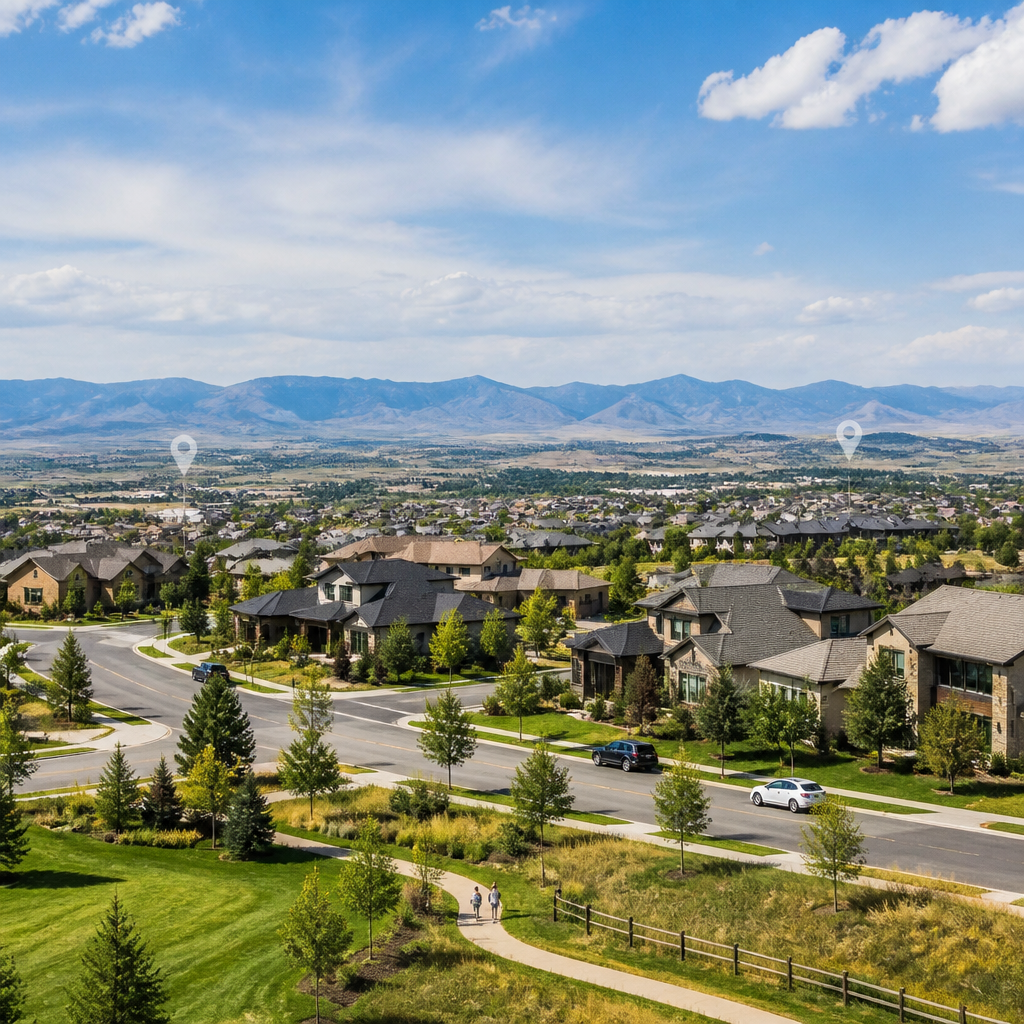
Discover Luxury Homes for Sale in Parker, CO: Your 2026 Guide The Parker luxury market continues to mature as Denver’s southeast corridor expands. According to Redfin, Parker’s median sale price sat in the upper $600,000 range in early 2026, while many luxury properties trade well above $1.2M. Estat
Moving to Castle Pines, CO: Essential Tips for New Residents in 2026
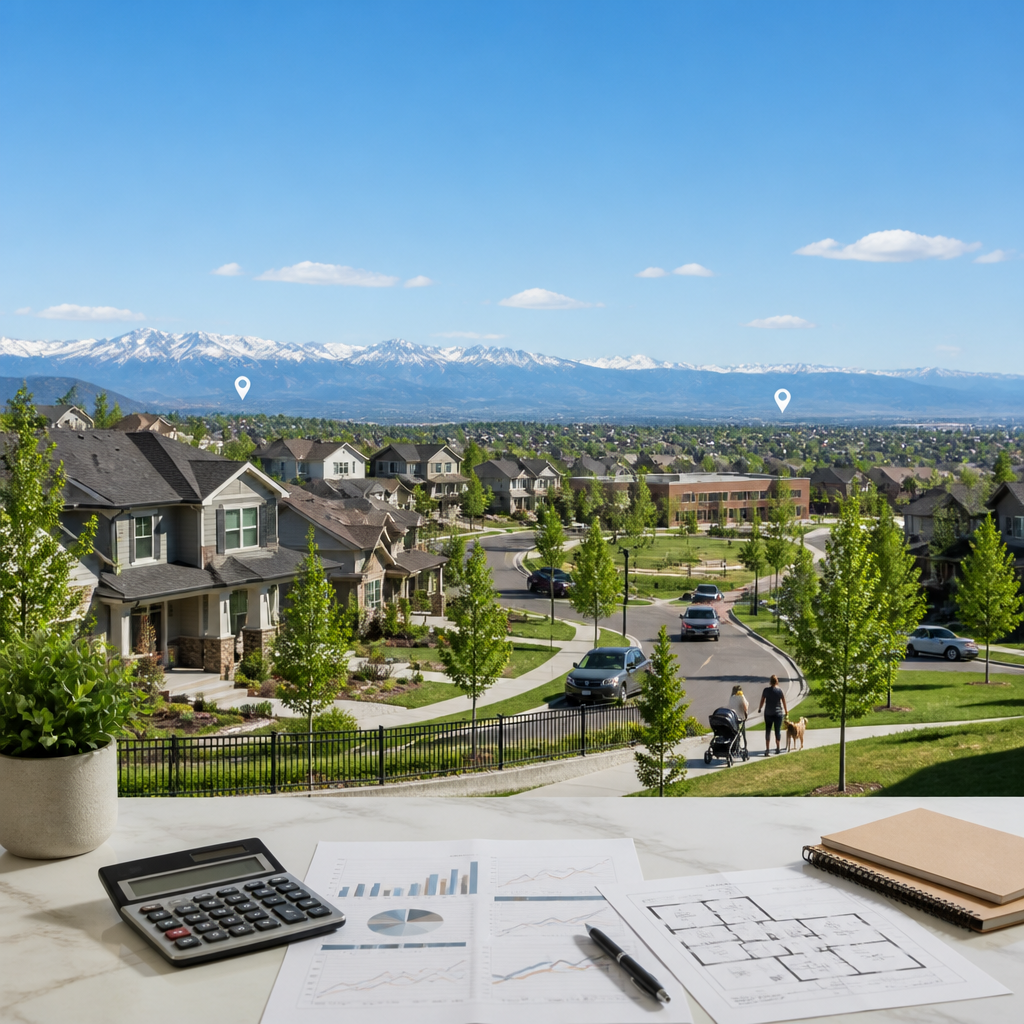
Moving to Castle Pines, CO: Essential Tips for New Residents in 2026 Moving to Castle Pines CO in 2026 means entering a small city that balances open space with suburban convenience. According to U.S. Census Bureau data, Castle Pines has a population of just over 11,000 residents as of the latest es